Alvin AC repair solutions you can trust start with accurate diagnostics, not assumptions. When your AC delivers warm or weak air, runs longer, trips breakers, cycles rapidly, or produces water leaks, you should hire a licensed Texas technician to test airflow, air pressure, electrical readings, and refrigerant charge. You should also require a written estimate detailing parts, labor, and compliance-related modifications. The best company addresses the actual fault, restores performance, and helps you decide whether fixing or replacing makes more sense.
Key Points
- Choose an Alvin cooling system repair company with Texas licensing, liability coverage, and technicians trained to adhere to manufacturer service protocols.
- Professional service starts with detailed diagnostics, featuring airflow, electrical, and refrigerant testing, plus a written report before service commences.
- Warning signs like reduced airflow, warm air, short cycling, strange sounds, or increasing humidity indicate your AC needs urgent inspection.
- Ask for an itemized quote detailing parts, labor, refrigerant, and any regulatory or drainage modifications before greenlighting work.
- Review reviews for punctuality, precise diagnostics, transparent pricing, warranty support, and effective resolution of repeat AC issues.
Signs You Need Alvin AC Service
Your AC system usually provides obvious indicators before total failure. You should arrange Alvin AC repair when air movement drops, vented air turns tepid, or cooling cycles run prolonged than usual. Irregular room temperatures, continual breaker trips, and strange vibrations also indicate deteriorating performance that needs immediate inspection.
You may experience climbing indoor humidity, lagging startup, or excessive on-off cycling. Those indicators often indicate regulatory, wiring, or airflow faults that a expert can locate through temperature control troubleshooting, current checks, and airflow testing. Odd odors, scraping sounds, or liquid around the air handler point to conditions that can damage components and reduce efficiency. If your power costs rise without higher usage, your system likely needs maintenance. Scheduled seasonal maintenance assists you catch these problems before failure occurs.
What Causes AC Problems in Alvin?
In Alvin, your AC often develops problems when clogged air filters restrict ventilation and raise system strain. You may also have refrigerant leaks, which diminish cooling capacity, reduce pressure, and can compromise core components if they aren't corrected promptly. If you discover these problems early, you can avoid system loss, uneven cooling, and more major repair needs.
Unclean Air Filters
Contaminated air filters commonly trigger AC issues by impeding airflow across the evaporator coil and compelling your system to function outside its specified pressure and temperature ranges. The airflow reduction reduces heat transfer efficiency, elevates blower workload, and can produce coil icing, short cycling, and inconsistent supply temperatures throughout your home.
You'll commonly notice reduced vents, increased run times, increased energy consumption, and increased dust accumulation when filter maintenance gets overlooked. A loaded filter can also distort static pressure readings, requiring diagnostic testing critical before you assume a more serious mechanical fault exists. You should swap out or clean filters per manufacturer specifications, occupancy levels, and indoor air conditions. In the course of service, your technician should verify filter sizing, installation direction, cabinet sealing, and pressure drop to confirm appropriate system airflow and reliable operation.
Coolant Leaks
Your AC unit loses cooling performance when refrigerant leaks because the evaporator and condenser can no longer hold the pressures and sat temperatures needed for proper heat exchange. You'll frequently notice extended run times, reduced supply air, coil icing, or increased superheat and compressor discharge temperatures.
You'll commonly discover leaks at brazed joints, Schrader cores, service valves, evaporator tubing, or rubbed line sets. Factors contributing to failure are corrosion, vibration, poor installation, and age. You shouldn't just top off refrigerant; that conceals the issue and can violate code or manufacturer specifications. A licensed technician should use nitrogen pressure testing, electronic instruments, or ultraviolet dye for leak detection, then conduct refrigerant recovery before opening the circuit. After repairs, evacuation, factory charge weight-in, and verification of appropriate subcooling and unit performance are necessary.
Why Your AC Supplies Warm or Low Air
Warm or weak air from your AC often suggests a clogged air filter, low refrigerant, or leaking ductwork. You can often link reduced airflow to a dirty filter, while temperature loss may suggest a refrigerant charge issue or duct leakage. You can determine the specific issue and return proper system performance through a complete inspection.
Air Filter Obstruction
Often, a blocked air filter is the most basic reason your AC outputs tepid or weak air because it impedes airflow across the evaporator coil and hinders normal heat transfer.
When investigating weak delivery from registers, you should examine the filter first. Airflow restriction from a visibly dirty filter can lower efficiency, increase run times, and burden blower components. In serious cases, the evaporator coil may get too cold, decreasing performance further. Check the filter size, MERV rating, and positioning direction to confirm compliance with manufacturer requirements. On schedule, replace disposable filters, or properly clean reusable ones. Consistent filter maintenance helps restore normal airflow, safeguards equipment, and supports consistent cooling performance.
Refrigerant Or Duct Complications
Beyond air movement obstructions, refrigerant faults and duct issues can also result in your AC deliver hot or weak air. When refrigerant charge falls from leaks, your evaporator is unable to extract adequate heat, so output temperatures rise and cooling capacity drops. You must not add refrigerant blindly; EPA-compliant technicians must locate leaks, correct them, and perform refrigerant recovery before refilling the system to manufacturer specifications.
Duct issues create comparable symptoms. If conditioned air exits through separated joints, collapsed runs, or leaking plenums, rooms get less air movement even when the blower operates normally. You may also have pressure variations that draw warm attic air into return ducts. A technician should examine static pressure, seal leaks, check insulation, and perform duct balancing so each register provides the designed air flow and temperature.
How Certified Specialists Detect AC Problems in Alvin
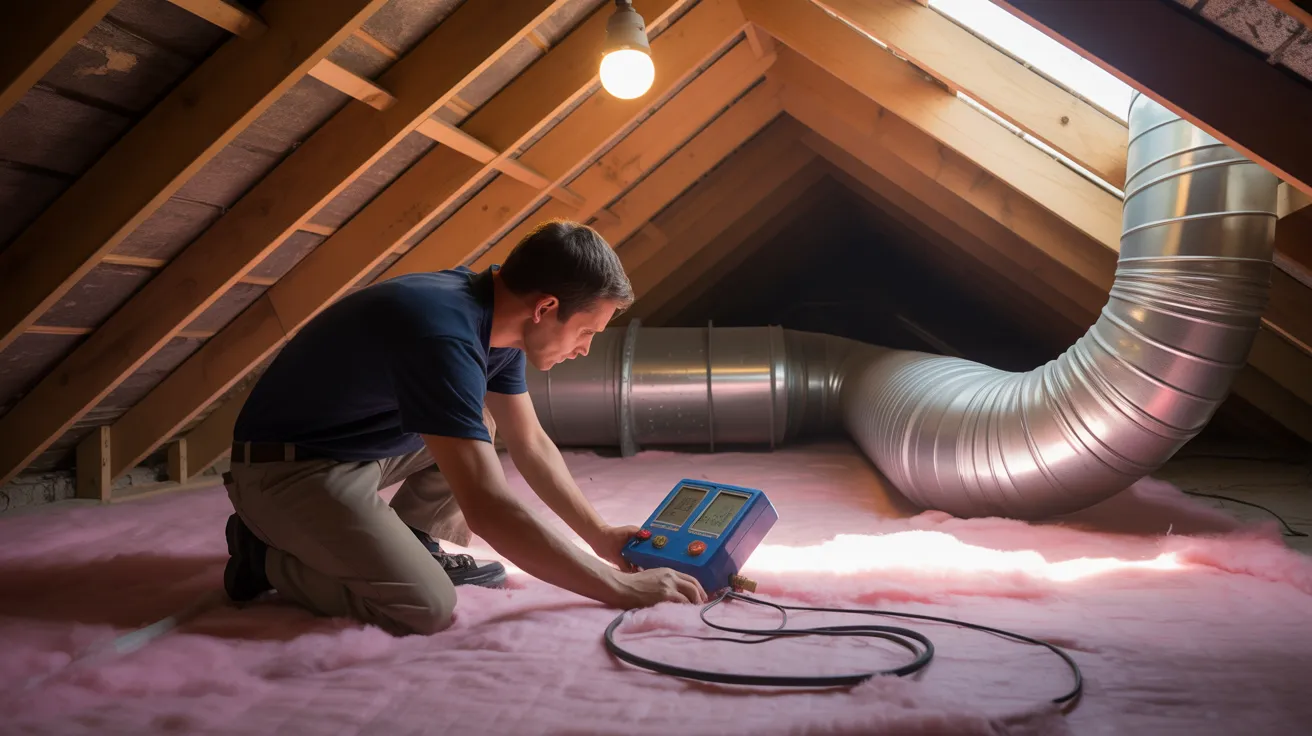
Start with system information and assessed output: a expert in Alvin will confirm thermostat instructions, check the air filter, and document intake-exhaust temperature variance, static pressure, voltage, amperage, and refrigerant values before drawing assessments.
From there, you'll observe experts evaluate those measurements against manufacturer specs and local compliance standards. They employ diagnostic equipment to test capacitors, contactors, relays, blower function, condensate safety devices, and compressor winding health. They also examine equipment documentation, including past repairs, recurring fault trends, and care periods, because patterns often expose root problems. If airflow is low, they'll identify obstructions in ducts, coils, registers, or the blower motor. If electrical parameters fluctuate, they'll identify faulty connections, imbalance, or controller faults. This structured approach allows you get reliable conclusions, standards-compliant service, and repairs that resolve fundamental issues.
Should You Replace or Repair Your AC?
Your determination between AC repair and replacement should be based on validated condition, repair cost, efficiency loss, and leftover service life—not guesswork.
Before deciding, you should inspect compressor integrity, refrigerant circuit leakage, blower operation, coil condition, and control-board reliability.
When your system functions within manufacturer specifications and the failure is contained, repair is typically the logical choice.
If testing indicates repeated component corresponding information degradation, dropping energy efficiency, R-22 dependence, or structural corrosion, replacement is typically the compliant option.
Comparing SEER performance against existing standards, confirming duct compatibility, and examining warranty transferability if the property changes hands should also happen.
A certified load calculation and static-pressure test will demonstrate whether your installed equipment is appropriately sized.
That data lets you to arrive at a sound decision based on performance, risk, and extended reliability.
What Are the Costs for AC Repair in Alvin?
AC repair expenses in Alvin can differ significantly, but you can narrow the estimate by examining the faulty component, inspection results, refrigerant type, work hours, and code compliance work. Installing a capacitor or contactor typically costs less than replacing a motor assembly, control board, or evaporator coil. When your system operates with outdated refrigerant, parts expenses increase rapidly.
You should also factor in leak testing, electrical diagnostics, air testing, and thermostat calibration, because verified diagnostics determine total labor. Costs can increase due to seasonal pricing during summer peak season, and after-hours fees apply when you schedule after-hours or weekend service. If the technician must repair unsafe wiring, drain issues, or clearance violations to meet code, your invoice will increase. Ask for an detailed estimate so you can review parts, labor, and regulatory corrections accurately.
How to Pick a Dependable Alvin AC Repair Provider
Evaluate Alvin AC repair companies by confirming the factors that affect service reliability: Texas licensing, liability insurance, diagnostic method, warranty terms, and proven expertise with your equipment type. Check the company dispatches licensed technicians and observes manufacturer service procedures.
Secure a written diagnostic assessment before agreeing to repairs. The document must identify symptoms, test methods, measured readings, failed components, and proposed corrective actions. Assess warranty protection for parts and labor, including exclusions and response times. Validate whether the contractor holds permits, safety training, and compliance records. Read customer reviews for patterns involving punctuality, precise troubleshooting, pricing transparency, and callback resolution. Ask whether the team stocks common parts for your system brand. When you review these factors objectively, you'll lower risk and select a reliable Alvin AC repair company.
Queries Often Asked
Will Alvin AC Repair Firms Deliver Emergency or After-Hours Support?
Several Alvin AC repair services supply 24/7 service, allowing you to secure aid when your system stops functioning without warning. You'll need to confirm round-the-clock response availability, dispatch coverage, and technician licensing ahead of scheduling. Established providers use rapid diagnostics to identify electrical, refrigerant, or airflow faults effectively. You should also check overtime costs, parts supply, and projected arrival periods, so you can make a responsible, educated service choice.
Can You Get Financing for Major AC Repairs in Alvin?
Yes—several Alvin AC repair providers supply financing for major repairs, but the details can affect your total cost. You'll often discover payment plans and credit choices associated to system diagnostics, repair scale, and approval standards. Before you finalize, verify interest rates, term spans, deferred-payment terms, and service warranties. If you analyze the contract carefully, you can sidestep compliance problems, protect your budget, and restore cooling without unnecessary financial burden.
How Long Will Most Alvin AC Repair Appointments Require?
Most Alvin AC repair appointments take 1 to 3 hours, depending on system status, problem complexity, and parts access. You'll see some appointment variability when technicians complete diagnostics, test refrigerant levels, test electrical components, or order replacement parts. The usual duration stays shorter for minor fixes like capacitor swaps and longer for compressor, blower, or leak-related repairs. You can cut delays by supplying system history and ensuring clear equipment access.
Is a Service Warranty Provided With AC Repairs in Alvin?
Yes—numerous AC repairs in Alvin offer a service warranty, but coverage varies greatly by company and component. You receive peace of mind, yet you must confirm exclusions. Review whether the service warranty includes labor, parts, or only particular diagnostic corrections. Obtain written terms, timeframe, claim procedures, and any limited coverage requirements. You should also confirm if insufficient maintenance, refrigerant leaks, or preexisting system faults void protection before approving service.
Will Consistent Maintenance Help Prevent Future AC Repairs in Alvin?
Yes, consistent maintenance can help you prevent future AC repairs in Alvin. You lower wear by planning regular checkups that identify refrigerant concerns, electrical issues, and restricted airflow early. You also enhance system efficiency through timely filter replacements, coil servicing, and thermostat tuning. When you maintain your unit consistently, you lower breakdown risk, extend component lifespan, and meet manufacturer guidelines. That proactive method assists you in avoiding costly corrective repairs later.
Final Overview
Quick Alvin AC repair keeps small faults from becoming compressor failures when your system displays red flags. In fact, blocked airflow alone can decrease cooling performance by up to 15%, a definite signal of how quickly small faults escalate. If you observe tepid air, weak airflow, or repeated cycling, you require a exact diagnosis, not guesswork. Pick a authorized Alvin AC repair company that tests components, validates root causes, and recommends the most budget-friendly repair or replacement solution.